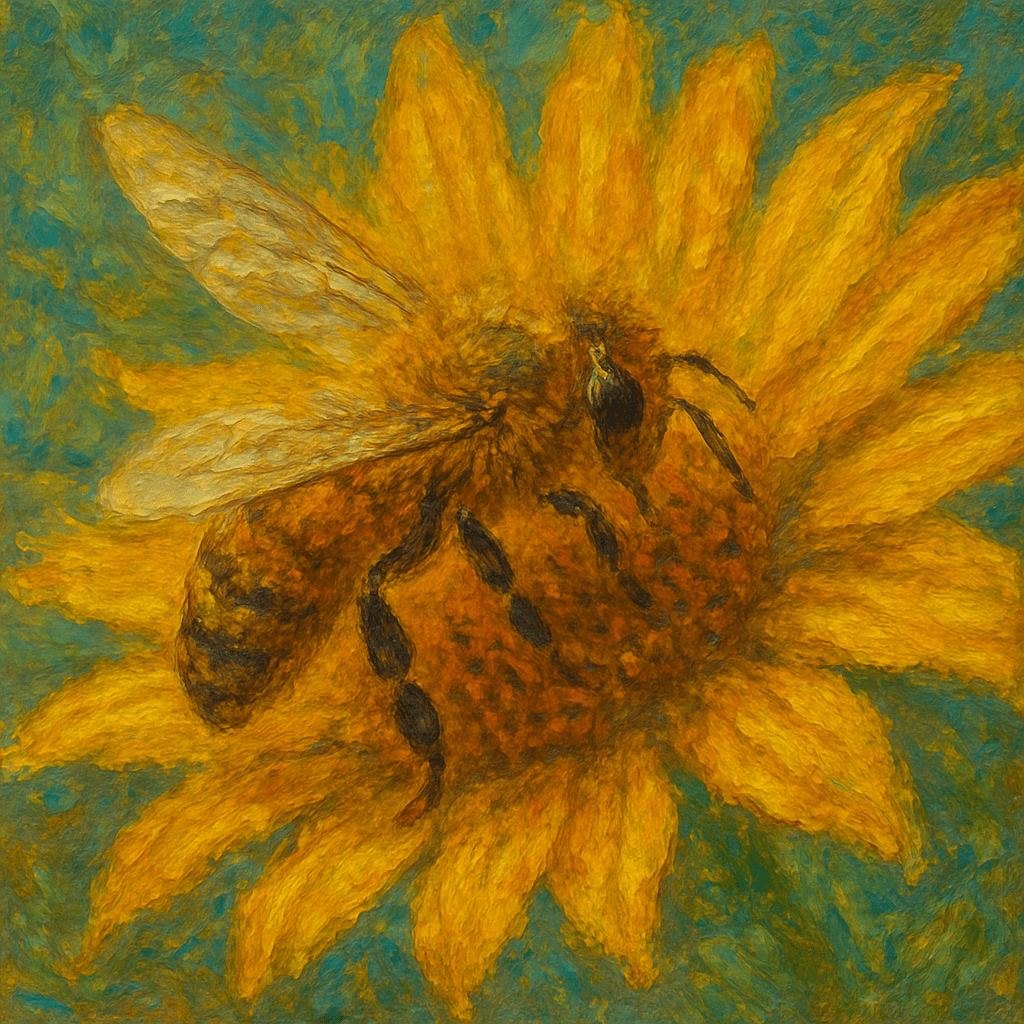
The collapse of insect life isn’t a distant warning. It’s already happening. New research published in PLOS One has found that worldwide populations of flying insects have plunged by more than 75% in just 27 years.
That statistic should terrify us. Insects are the quiet architects of life on Earth. They pollinate nearly three-quarters of all flowering plants, feed the birds and fish that anchor food chains, and keep soils alive and fertile. Take them away, and ecosystems begin to crumble. Take them all away, and humans soon follow.
Yet this catastrophe has barely registered in public debate. It isn’t framed as a crisis because it doesn’t fit neatly into our news cycles or politics. There are no burning forests, no flooded cities—just a slow, almost invisible collapse happening beneath our feet and above our heads.
The causes are depressingly familiar: rising temperatures, pesticide use, and habitat destruction. But there’s one industry that connects all three. Animal agriculture.
The livestock industry is a climate bomb. Factory farms release staggering amounts of methane and nitrous oxide, while the fertilizer used to grow feed crops pumps even more CO₂ into the atmosphere. The UN’s World Meteorological Organization recently confirmed that CO₂ levels are now higher than they’ve been in millions of years. Those hotter temperatures are disrupting the fragile lifecycles of insects around the globe.
Then there are the pesticides—the toxic armor of industrial agriculture. Vast fields of corn and soy are drenched in chemicals to grow feed for animals, not food for humans. It takes multiple pounds of crops to produce a single pound of meat, meaning vast amounts of land, fertilizer, and poison are wasted to sustain one of the least efficient systems imaginable. The pesticides don’t stop at the edges of the fields. They drift, leach, and linger, killing pollinators and beneficial insects alike.
And the destruction doesn’t end there. To grow those same crops and graze animals, forests are bulldozed and grasslands destroyed. The Amazon, home to some of the richest biodiversity on Earth, is being torched for cattle and soy. Each acre lost releases billions of tons of carbon dioxide and erases entire insect habitats.
Three charges: climate change, pesticides, and habitat annihilation. All point to one guilty defendant.
When industries destroy the foundations of life, they should face consequences. But instead of regulation or accountability, governments reward them. Trillions in subsidies flow into industrial meat and dairy, propping up an economic system that is both ecologically suicidal and morally bankrupt. Meanwhile, farmers who protect biodiversity are left to fend for themselves.
If insects are disappearing, it isn’t an accident—it’s policy.
We could still change course. We could stop subsidizing destruction and start investing in plant-based, insect-friendly agriculture. We could end deforestation for feed and grazing. We could protect native vegetation, rewild farmland, and plant the kinds of flowers and trees that give pollinators a fighting chance. We could ban the pesticides that have no business in our soil or our food.
And we can make personal choices that align with survival rather than denial. Eat more plants. Avoid products that depend on toxic chemicals or forest clearance. Plant native shrubs and flowers. Skip the bug zappers.
None of this will make headlines. There’s no celebrity moment in saving a bee or a beetle. But these small, cumulative acts are the difference between a living planet and a dead one.
We are watching the quiet collapse of nature. If we fail to act, the silence that follows won’t just be the absence of buzzing in the fields—it will be the absence of life.

 Kirschner's Korner
Reblogged this on "OUR WORLD".
Buzzzzzzzzzzzzzz! thank you!
I despair of humanity. We seem hell-bent on destroying this beautiful planet.