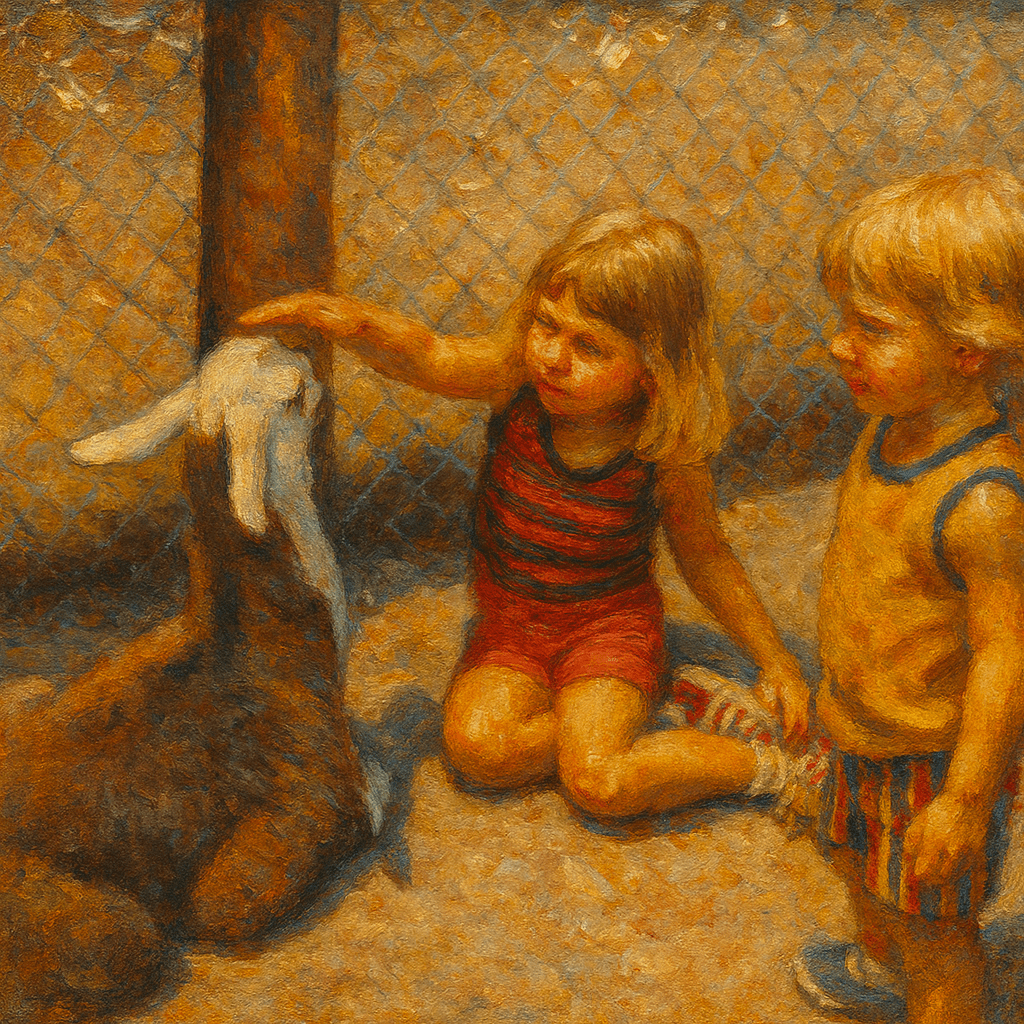
I grew up on a steady diet of Gilligan’s Island, The Brady Bunch, family dinners, and Bachman’s pretzel rods—the kind of childhood built on simple pleasures and a slower pace. I played Little League, chased fireflies, traded baseball cards, and roller-skated to the Sugarhill Gang. There was no internet, cell phones, or constant buzz of notifications. People kept their cars for twenty years. Our phone number had four digits, the cord stretched four feet, and the TV offered four channels. We appreciated everything we had because it was all we knew.
What I treasure most from that time, though, isn’t the nostalgia—it’s the parents who shaped me. I was lucky enough to grow up with a mother and father whose love set the foundation for everything good in my life. I wrote this article for parents who sometimes question whether they’re doing enough, or who simply want to deepen the strengths they already have. These are the most enduring lessons my parents taught me and why I’ll always be grateful for their parenting.
My parents taught me empathy. They explained why I shouldn’t pull our dog’s tail or ride on her back. We buried goldfish in the backyard with the seriousness of a state ceremony. By age three, I understood kindness toward animals.
My father taught me how to be a gentleman. He opened car doors, brought home flowers, and never spoke disparagingly about women. When someone sneezed, he offered a handkerchief. He was unfailingly polite and always on time. From him, I learned consideration for others.
My mother taught me the domestic skills that many adults still struggle with. By age ten, I knew how to clean bathrooms, dust, iron, vacuum, cook, wash dishes, and set a table with a napkin on my lap. As a result, I never grew into the kind of person who waits for someone else to do what I should do myself. My mother taught me self-sufficiency—and made it clear these tasks were not “women’s work,” but life skills.
My parents exposed me early to culture. They took me to Annie on Broadway, museums, and antique festivals. Those trips shaped my appreciation for the arts and curiosity about the world.
My father taught me to work. I learned to cut firewood, mow lawns, weed gardens, shovel snow, and use tools. At eight, I earned my first dollar weeding a neighbor’s yard by hand—an unforgettable lesson in effort and value. By twelve, he helped me start a lawn-mowing and driveway-shoveling business. At fifteen, he helped me get my first job and drove me to every shift. He taught me how to tie a tie and even let me use his car to sell water-based vacuum cleaners door-to-door in high school.
My mother taught me to stay active. She played tennis with me when I was six, sparking an interest that has kept me healthy for decades and eventually led me to coach children with special needs in the Special Olympics.
My mother also made me feel special. She baked homemade birthday cakes and hosted parties that made me feel seen. My parents were fully present—attentive to every detail of my life.
My father shielded me from adult burdens. He never discussed work problems, complained, or let his stress spill over into my world. I’m still in awe of his ability to compartmentalize for the sake of his children.
My parents taught me the joy of reading. My father read to me in his favorite chair; my mother read to me in bed. Books and newspapers were always open in our house.
My father was the most unmaterialistic person I have ever known. He kept cars until they no longer ran and held onto his favorite chair for decades, holes and all. He didn’t care about labels or how things looked to others. He taught me to live below my means and save for a rainy day. My minimalist tendencies are entirely his doing.
My parents also taught me the importance of writing, gratitude, and civic responsibility. They had me write letters to relatives, thank-you notes, and letters to express ideas or spark change. They showed me that my voice mattered. I still remember a snowstorm on Election Day: they bundled up and said, “It would take a lot more than snow to keep us from voting.”
My parents loved me openly. They hugged me, supported me, and helped me manage a speech impediment. They taught me to be at ease in my own skin.
They sacrificed for me. When I was thirteen, an orthodontist told us my family could choose between a retainer or braces. We couldn’t afford braces. My father said, “This will affect how he looks for the rest of his life. We’ll pay the extra money.” I’ve never forgotten his generosity.
My parents never pressured me. My father often said, “Your grades are your grades.” He meant that I should care more than anyone else—because they were mine. I grew up feeling free to do my best, not someone else’s version of it.
My parents always cheered for me. Whether I was writing, playing Little League, running for office, starting a business, or applying for a job, they showed up. I still remember my father arriving straight from work in his suit, cheering on the bleachers and my mother getting excited about parent-teacher conferences. They encouraged my sense of humor and laughed at my impersonations. They gave me confidence.
My father taught me how to show up for people in their hardest moments. He visited sick relatives, comforted grieving families, and made sure support didn’t end once the funeral was over. Presence, he showed me, is a form of love.
My parents taught me to stay organized, make lists, and be proactive. Those habits have carried me through life.
My father was the best listener I’ve ever known. Knowing he would listen without interrupting or judging brought immense calm and comfort.
My parents never stopped giving advice. Even when I seemed like I wasn’t listening, I always was.
My parents taught me never to discriminate. I never heard either of them speak a disparaging word about anyone’s gender, race, religion, or sexual orientation. My father once told me, “Be so busy trying to maximize your own potential that you don’t have time to judge others.”
And while I still haven’t forgiven them for refusing to let me stay up to watch the 1978 rescue episode of Gilligan’s Island, their contributions to my life overshadow that mistake. The lessons they passed down—quietly, consistently, and with love—helped me grow.
I hope this story encourages you in your own journey as a parent. Your influence runs deeper than you may ever realize. Trust your instincts. Show up with your whole heart. The way you love and guide your children can echo far beyond your home—into their lives, and into the world they grow up to help shape.

 Kirschner's Korner
One thing you left out Andrew – your parents taught you to write wonderful articles like this and by doing so to influence literally thousands of people to be better human beings because of you!
Very kind of you. Thank you Danna.
Wow that was so beautifully and thoughtfully said. That’s a keeper for sure. Thank you
Much appreciated Mary.
I have a 2 year old and sometimes (all the time, really) I worry about my parenting. That I might not be patient enough, funny enough, that I am not able to give him all the best opportunities, or always cook the most healthy meals from organic ingredients. But articles like this one really put my worrying into perspective. I do teach him empathy and kindness for all beings (he already knows and says that we do not eat animals), I read a lot to him and taught him how to tidy up his toys and put his dirty clothes in the hamper. I hope that I am are on a good path to raise a kind, self-reliant and curious person and this article really gave me more confidence. Thank you.
Thank you for sharing your experience Susana. You may be underestimating your impact!
I’m glad the list helped you recognize your good parenting skills. Don’t be too hard on yourself.
A few friendly reminders:
1) Losing patience is normal. Remember a child’s brain isn’t fully developed. Changing expectations can help us maintain patience. Expect him to make questionable decisions.
2) Be as funny as you can be. Effort is all that matters. Keep using humor. Try to find out what entertains him.
3) The best “opportunity” is your love and support. You may be surprised how far it takes him.
4) Do the best you can with food. When he gets older, you can explain to him the benefits of whole foods. He will forever be grateful to you for teaching him to be kind to all animals.
Research indicates empathy can be taught so your lessons are so important. By reading to him, you’re teaching him listening and comprehension skills that will last a lifetime. By teaching him how to clean up after himself, you’re teaching him self-reliance that will enable him to take care of himself. And you’re just getting started! It seems like you’re doing a terrific job Susana!
You are very fortunate to have had such good parents. What could be more important in shaping our lives? It’s good that you are so appreciative of them.
What wonderful parents and it’s great that you appreciate them. I too was fortunate to have good parents and it wasn’t until I reached high school that I realized that everyone wasn’t so lucky.